Long-Distance Backpacking: Minimalist Packing Lists
Reading time: 11 minutes
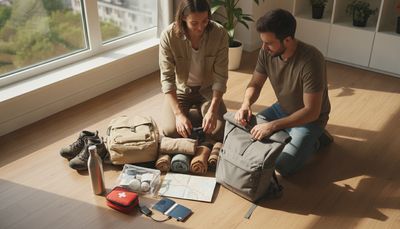
If you're planning your first multi-month backpacking trip, you're staring at an empty backpack and a hundred questions. I remember my first attempt exactly: an 80-liter backpack stuffed with "maybe I'll need it" items that left me completely exhausted after just three days in Hanoi. Today I've been traveling through Asia and South America for over four years with a 40-liter backpack – and I don't miss a thing.
Long-distance backpacking works best when you let go of the idea that you have to be prepared for every eventuality. The art lies in taking only the essentials while still being equipped flexibly enough to handle different climate zones and travel styles. In this article, I'll show you how to travel successfully with a well-thought-out minimalist packing list for long-term travel.
The Basic Backpack Rule: 40 to 50 Liters Is Plenty
According to a 2023 study by the Adventure Travel Trade Association, long-term travelers carry an average of 23% more weight than actually necessary. That doesn't just lead to back pain but also costs overweight baggage fees and flexibility. For long-distance backpacking, I recommend a backpack between 40 and 50 liters – you really don't need more.
My current Osprey Farpoint 40 has accompanied me through 18 countries over three years. It's carry-on compliant with most airlines and fits easily into overhead bins. Fully packed, the weight should be at most 10 to 12 kilograms (22 to 26 pounds), which is about 15% of your body weight. Beyond that, every longer stretch becomes torture.
Invest in a model with a good carrying system and a hip belt that shifts the weight onto your hips. The brands Osprey, Deuter, and Gregory offer models between $200 and $380 that hold up for years. A cheap $55 backpack will give you trouble after three months at the latest – money saved that you'll spend on physical therapy.
Clothing: The 5-4-3-2-1 Rule for Months-Long Trips
The biggest challenge with minimalist packing for long-term travel is clothing. My proven 5-4-3-2-1 rule works for trips between three and twelve months in warm to temperate climate zones:
- 5 T-shirts or tank tops (3 neutral colors, 2 can be patterned)
- 4 pairs of underwear and 4 pairs of socks (merino wool dries quickly and doesn't smell)
- 3 pairs of pants (1 long trekking pair, 1 pair of shorts, 1 pair of long lightweight pants for temples and evenings)
- 2 additional tops (1 long-sleeve, 1 light fleece jacket or hoodie)
- 1 waterproof jacket (I swear by the Patagonia Torrentshell for $149)
On top of that come sturdy hiking shoes on your feet, a pair of flip-flops in the backpack, and optionally lightweight sneakers. That's it. Really. You'll do laundry along the way – in hostels, laundromats, or, if necessary, in the sink. Merino wool products from Icebreaker or Smartwool cost between $45 and $90 per piece, but they're odor-resistant and can be worn five to six days before they need washing.
For long-distance backpacking through cooler regions, you add a down jacket that packs down compactly. The Uniqlo Ultra Light Down costs only $70 and has taken me through Patagonia and the Himalayan foothills. Avoid cotton – it dries slowly and gets heavy when wet.
Special Clothing for Cultural Requirements
In many Asian and Arab countries, covered shoulders and knees are required for temple visits. A long, lightweight pair of pants and a thin scarf (which also serves as a beach towel, picnic blanket, or protection from the cold on an air-conditioned bus) solve this problem. For women, I additionally recommend a long, airy dress – it takes up hardly any space and is versatile.
Tech and Electronics: The Digital Bare Minimum
The days when backpackers traveled without digital devices are over. For long-term travel, your smartphone is the most important tool of all – camera, navigation system, means of communication, and guidebook in one. I've used an iPhone 12 with 128 GB of storage since 2021 and have never needed more.
In addition, for long-distance backpacking I recommend a Kindle ($120 for the base model) instead of heavy books, a compact laptop or a tablet if you want to work on the road, and a power bank with at least 20,000 mAh from Anker (about $40). The Anker PowerCore 20100 has saved me on countless bus rides and power-free hostel nights.
Don't forget a universal travel adapter with USB ports. The Epicka model (about $30 on Amazon) works in over 150 countries and replaces five different adapters. According to the Global Travel Adapter Market Report 2023, travelers with a high-quality universal adapter save an average of $50 per year compared with buying country-specific adapters.
Hygiene and Health: The Essentials in the Smallest Space
Hygiene gear is an area where many backpackers overdo it. You don't need bulk packs – there are supermarkets and pharmacies in every country in the world. My basic kit fits in a clear 1-quart bag:
Toothbrush and a small toothpaste (3.4 oz lasts for weeks), solid shampoo from Lush (saves on liquids and lasts forever), a deodorant stick, travel-size sunscreen, a small pair of nail scissors, and if needed tampons or pads for the first few days. You buy everything else along the way.
For your travel medicine kit, I recommend consulting a tropical medicine doctor before departure. In Germany, the Bernhard Nocht Institute for Tropical Medicine in Hamburg and the Tropical Institute in Munich offer special consultations for long-term travelers (cost: about $55 to $90). Your basic travel medicine kit should contain: pain relievers (ibuprofen), anti-diarrhea medication (Imodium), electrolyte powder, bandages and sterile compresses, a broad-spectrum antibiotic (prescription only), and your personal medications for at least one month more than planned.
Mosquito Protection and Water Purification
In tropical regions, a good insect repellent with at least 30% DEET is indispensable. The Care Plus Anti-Insect Deet 50% Spray (3.4 oz for about $13) protects for up to ten hours. In addition, I always pack a mosquito net – the Sea to Summit Nano Mosquito Pyramid Net weighs only 5 ounces (140 grams) and has spared me countless bites in hostels without nets.
For safe drinking water, I recommend the LifeStraw Personal Water Filter (about $20) or SteriPEN UV purifiers. In many countries in Southeast Asia and South America, tap water isn't drinkable. According to WHO data from 2022, about 12% of all long-term travelers fall ill with diarrheal diseases from contaminated water every year – a problem that can be avoided with a $20 investment.
Documents, Money, and Security: Protecting What Matters Most
For long-distance backpacking, you need a good organization system for your important documents. I keep my passport, credit cards, and cash in three different places: passport and one credit card in the main compartment of the backpack in a waterproof pouch, a second credit card and emergency cash in a chest pouch under my shirt, and a third card in the daypack.
Make copies of all important documents before departure and upload them to the cloud encrypted. For years I've used a Dropbox folder with scans of my passport, vaccination record, travel insurance, credit cards (front and back), and driver's license. In case of theft or loss, that saves you days of bureaucratic hassle.
Choosing the right travel credit card is crucial. The DKB Visa Card and the Barclays Visa are popular among long-term travelers in Germany because they allow fee-free cash withdrawals worldwide. Tell your bank about your travel plans before departure – otherwise your cards will be blocked for security reasons as soon as you use the first ATM in Thailand.
Useful Extras: The Little Things That Make a Difference
Beyond the obvious gear, there are a few items that make my daily travel life considerably easier. A microfiber towel from PackTowl ($30) dries in two hours and takes up hardly any space. A padlock for hostel lockers (combination models are more practical than ones with keys you can lose) is indispensable.
A foldable daypack like the Osprey Ultralight Stuff Pack ($25) is perfect for day trips and weighs only 3 ounces (90 grams). Earplugs and a sleep mask save your sleep in noisy hostel dorms. The Mack's Ultra Soft Foam Earplugs with 32 decibels of noise reduction have saved my sleep on countless nights.
For longer bus rides, an inflatable neck pillow is worth its weight in gold. The Trtl Pillow ($30) looks strange but supports your head more effectively than classic U-shaped pillows and takes up hardly any space when folded. Also invest in a cable organizer set – nothing is more annoying than tangled charging cables in your backpack.
What You Definitely Don't Need
Just as important as knowing what you should pack is knowing what you can safely leave at home. Skip a sleeping bag (hostels provide bedding, and on camping trips you can rent one on site), printed guidebooks (apps like Maps.me work better offline), more than one pair of shoes in addition to the ones on your feet, and any "maybe I'll need that someday" items.
Backpacking With a Travel Companion: Coordination Is Everything
If you don't set out on your long-distance backpacking alone but have a travel companion along, your packing strategy changes. With clear agreements in advance, you can share gear and both save weight. A first aid kit, sunscreen, water purification, or guidebooks don't have to be taken twice.
Especially with arrangements in a sugar dating context, it's worth clarifying beforehand who brings which basics. Anyone who, for example, splits flight costs fairly should also communicate transparently when planning luggage. Nothing is more uncomfortable than discovering along the way that you both brought the same thing while important items are missing.
On longer shared trips, I still recommend packing individually. Even if you're traveling as a team, there can be situations where you temporarily separate – whether for different activities or during disagreements. Everyone should remain self-sufficient for travel.
Lessons From Four Years of Continuous Travel
After several years of continuous backpacking through Asia, South America, and Oceania, I've learned that less really is more. My current packing list is 40% leaner than at the start of my trip, and I'm much happier with it. The most important lesson: you can buy almost anything along the way that you forgot or didn't pack.
An exception is special medications, tech devices, and high-quality gear like a backpack or hiking boots. You should get these before departure and break them in. I once had to buy hiking boots in Vietnam after my old ones broke – the quality was miserable and they were done for after three weeks.
If you organize your tour well from the start, you'll also have a better idea of what you really need. A three-month tour through Southeast Asia requires different gear than a year-long round-the-world trip with stays in every climate zone. Adapt your packing list to your specific route instead of packing for every eventuality.
Packing by Destination: Mind the Climate Zones
The basic packing list described above works great for tropical and subtropical regions – that is, Southeast Asia, Central America, parts of South America, and Oceania. For long-distance backpacking in temperate or cold climate zones, you need adjustments.
For Patagonia, New Zealand in winter, or Nepal, you add thermal underwear, a thicker jacket, gloves, and a hat. The REI Co-op Midweight Base Layer Set (about $70) is worth its weight in gold here. The art lies in combining clothing in layers (the layering principle) instead of taking a separate outfit for every temperature.
If your route spans different climate zones, consider whether you can buy clothing along the way and get rid of it again. In Nepal, I bought a thick fleece sweater for $15 for the treks at higher altitudes, which I then sold to another backpacker. That way you stay flexible without permanently hauling winter clothing through the tropics.
Frequently Asked Questions About Minimalist Packing Lists
How many clothes do I really need for months-long long-distance backpacking?
The 5-4-3-2-1 rule (see above) is completely sufficient. You do laundry along the way every three to four days, either in hostels, laundromats, or, if necessary, in the sink. Merino wool clothing can be worn for up to a week without smelling. You definitely don't need more than five T-shirts, four pairs of underwear, and three pairs of pants.
Should I bring a sleeping bag?
For classic hostel and guesthouse hopping, you don't need a sleeping bag. The accommodations provide bedding. If you plan to camp a lot or stay in very basic accommodations, invest in a lightweight summer sleeping bag or a sleeping bag liner (silk liner). A full-fledged sleeping bag is unnecessary for most backpacking routes and takes up too much space.
What backpack size is optimal for long-term travel?
40 to 50 liters is ideal. Anything above that tempts you to pack too much and is too heavy for longer treks on foot. A 40-liter backpack like the Osprey Farpoint 40 is carry-on compliant with most airlines, so you save on baggage fees and get through airports faster. Fully packed, it should weigh at most 10 to 12 kilograms (22 to 26 pounds).
Do I need special hiking boots, or are sneakers enough?
That depends on your route. For urban travel and easy hikes, good sneakers or trail running shoes are enough. If you plan multi-day treks (e.g., the Annapurna Circuit in Nepal, the Inca Trail in Peru), ankle-high hiking boots with good tread are indispensable. Important: break in new shoes at least two weeks before the trip, otherwise you risk blisters.
How do I keep my valuables safe while backpacking?
Spread your valuables across at least three places: passport and one credit card in the main compartment of the backpack, a second credit card and emergency cash in a chest pouch under your shirt, a third card in the daypack. Digital copies of all documents in the cloud are essential. In hostels, always use a padlock for lockers and carry valuables on your body when you leave the dorm.
Conclusion: Traveling Light Is Traveling Better
Long-distance backpacking with minimalist gear doesn't mean going without but freedom. With a well-packed 40-liter backpack, you're more mobile, flexible, and relaxed than with a stuffed 80-liter monster. The art lies in finding the right balance between preparation and trusting that you can pick up whatever you need along the way.
Focus on quality over quantity, on multifunctionality over specialization, and on what you really need every day. After the first few weeks, you'll notice what's superfluous anyway – after a month in Thailand, about 7 pounds (3 kilograms) of gear went back home by mail in my case.
If you're still looking for the perfect companion for your backpacking adventures, check out our tips on finding a travel buddy. Traveling together can enrich the trip – provided you agree on your packing list and travel style. Pack light, travel far, and enjoy the freedom of minimalist backpacking!